The Future of State Education Revenues
What we can expect for state education revenues.
November 1, 2018
Filed Under:
GoogleNWEAOperationsTeaching & LearningLegalCommunicationsFrom the Director
What we can expect for state education revenues.
One of the great concerns we have as we are less than a week away from the November election is what effect will we see on state education revenues. I am often asked what my crystal ball shows when we talk about the potential effect of various revenue sources on school budgets. I believe it is important to take time to look at the factors that affect our long- term data points.
Let’s start with the oil breakevens by shale play. The first graph was produced in November 2017, and the second graph was produced in September 2018. The two graphs show an interesting phenomenon that we can probably expect to see manifest itself over the next ten years. What we see here is:
1. Three out of the five lowest cost production zones are located in Oklahoma.
2. It appears the cost of production is moving lower and doing so quickly.
3. Depth doesn’t appear to be as big an impediment to horizontal drilling activity.
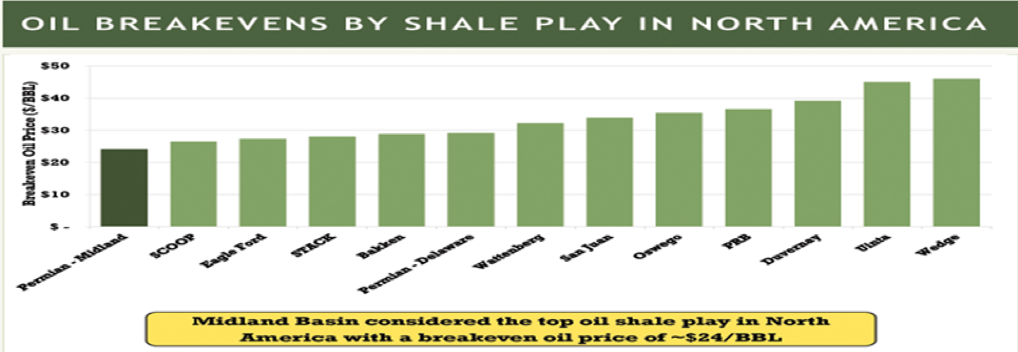
There could be several different reasons for these shifts going from transportation of different items to pipeline capacity. The big takeaway should be that we see more reason for optimism in the petroleum portion of the economy.
This data points to the question that everyone in education is wondering: will state aid increase? I don’t know that we will necessarily see an increase. Our biggest factors will be ad valorem growth and the continued spread of petroleum exploration. This will drive state aid factor increases due to an increase in chargeables and adjusted valuation. If Oklahoma continues to maintain 4% ad valorem growth, we will continue to see stronger state aid factors. We will follow up this article next month with a look at the growth in ad valorem collections, chargeables and adjusted valuations.





.png)
A list of scholarships, contests, grants, events and other important opportunities for educators.
About a year ago, we traveled with a small group from Oklahoma City to Indianapolis to explore the potential of collective impact. “This work moves at the speed of trust,” we were told and “data should be used as a flashlight, not a hammer.”
It is the leadership at the top that nurtures the culture of success. The Wall Street Journal published in last Saturday’s Weekend edition an article by Richard Grant, describing a turnaround school in the Mississippi Delta.
This week, the Tulsa World revealed that the Oklahoma Workers Compensation Commission met secretly with an information technology vendor and held at least four executive sessions to discuss budgetary and general personnel matters.

Join in on the conversation